Wage & Hour Guides
Practical, accurate guides to U.S. wage and hour law covering overtime, minimum wage, exemptions, tipped pay and final paychecks, for workers, managers and HR teams.

A plain-English, step-by-step guide to calculating overtime under the FLSA: the regular rate, the 40-hour rule, time and a half, bonuses, salaried non-exempt math, and daily-overtime states.
Time and a half means 1.5x your hourly rate for overtime. Learn exactly when it applies, how to calculate it for any wage, and the weekend and holiday myths that cost workers money.

Every state's 2026 minimum wage, from the $7.25 federal floor up to $17.95 in Washington, D.C., plus which states raised pay in January and which raise it mid-year.

The real difference between exempt and non-exempt employees, the 2026 salary threshold, the duties test, and why a salary alone never makes you exempt from overtime.

Final-paycheck deadlines by state for employees who are fired versus those who quit, what must be included, and the penalties employers face for paying late.

How the tip credit works, the $2.13 federal tipped wage, the seven states that ban tip credits, and how to check whether your tips are actually making up the difference.

California's overtime rules go far beyond the 40-hour week: daily overtime after 8 hours, double time after 12, and special seventh-consecutive-day pay. Here's how it all works.

Being salaried doesn't mean you've waived overtime. Learn the 2026 salary threshold, the duties test, and how to tell if you're salaried non-exempt and owed time and a half.

Double time means 2x your hourly rate. Learn how to calculate it, why federal law never requires it, and how California's daily double-time and seventh-day rules work in 2026.

Which states require employers to pay out accrued vacation when you leave, where use-it-or-lose-it policies are legal, and how to value the PTO in your final paycheck.

If you work across state lines or for an out-of-state company, your wage rights follow where you actually work. Here's how minimum wage, overtime, and final-pay rules sort out.

Nineteen states raised their minimum wage on January 1, 2026. Here are the notable new rates, why indexing keeps wages rising, and which states raise pay again mid-year.
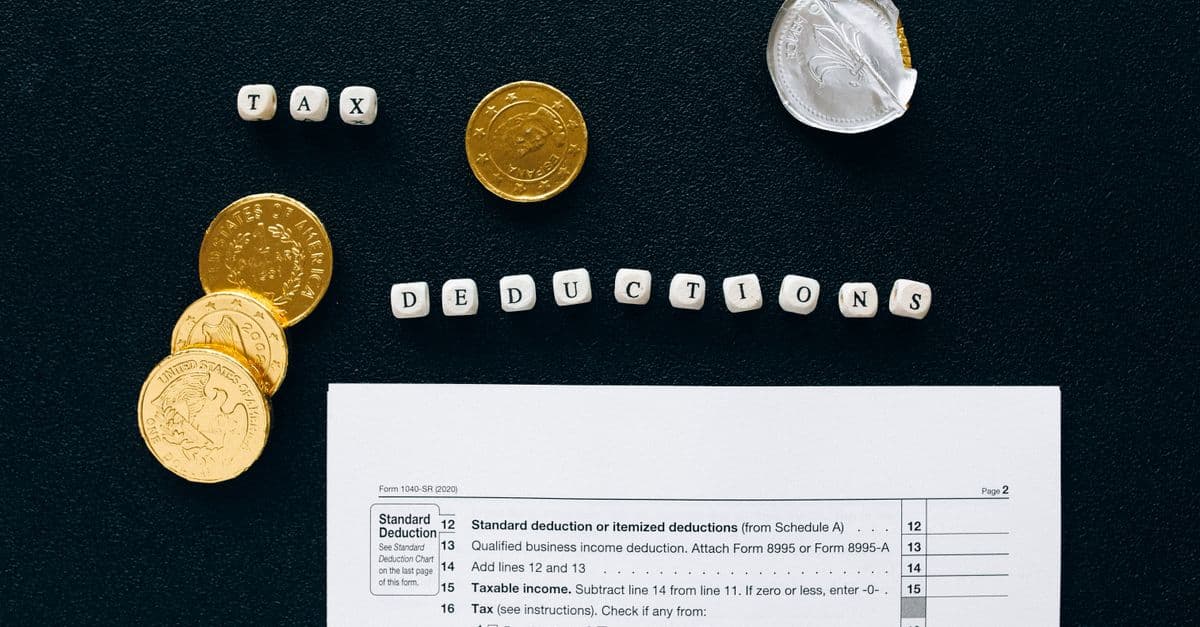
Convert any annual salary to an hourly rate with the 2,080-hour method, see why that number is the standard, and learn how the conversion affects overtime and PTO payouts.

When a city sets a higher minimum wage than its state, the higher rate wins. Here's how local minimum wages work, why Seattle hits $21+, and how to find your real rate in 2026.
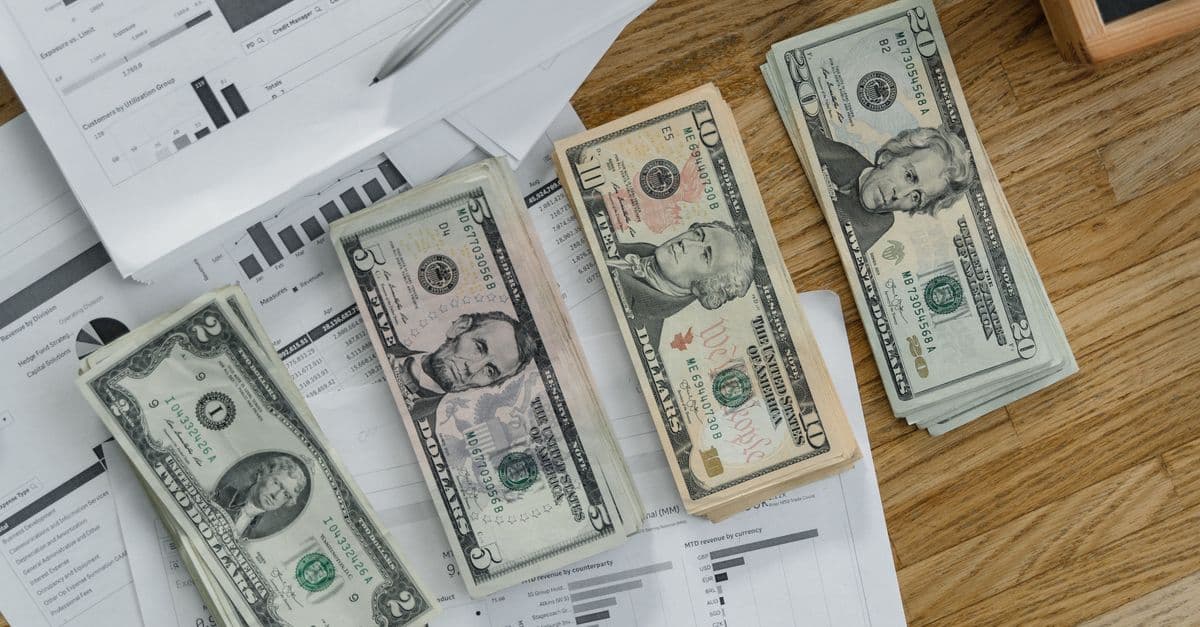
Gross pay is what you earn before deductions; net pay is what hits your bank account. Here's how to read both, why the gap is so big, and how it affects overtime and back pay.
A line-by-line guide to your pay stub: earnings, hours, tax withholding, deduction codes, and the four checks that reveal whether your employer is shorting you.

The IRS common-law test, the FLSA economic-reality test, and the real cost of being called a 1099 contractor when you're legally an employee owed overtime and minimum wage.

Federal law doesn't require breaks, but many states do. Here's which states mandate paid rest breaks and unpaid meal breaks, when short breaks must be paid, and the penalties for missed breaks.
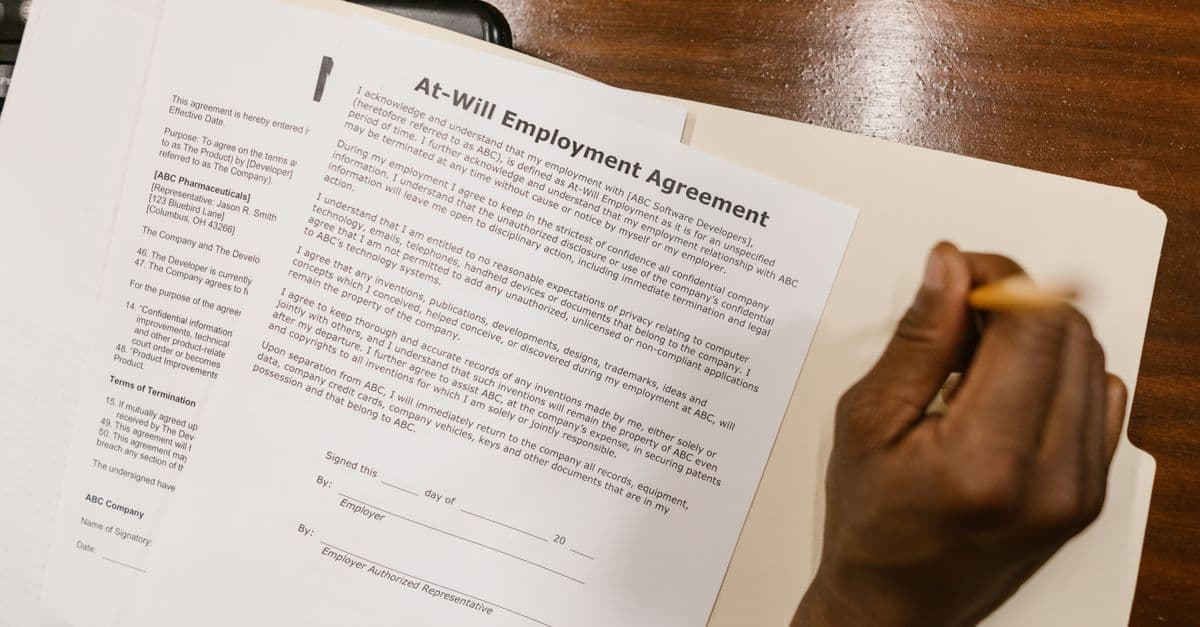
Federal CCPA limits cap most garnishments at 25% of disposable income or 30 times the minimum wage. Here's how the rules work for ordinary debts, child support, taxes, and how state law can protect more.

The FLSA rules on travel time pay in 2026: why your commute isn't paid, when day trips and overnight travel are, and how unpaid travel can hide thousands in back pay.
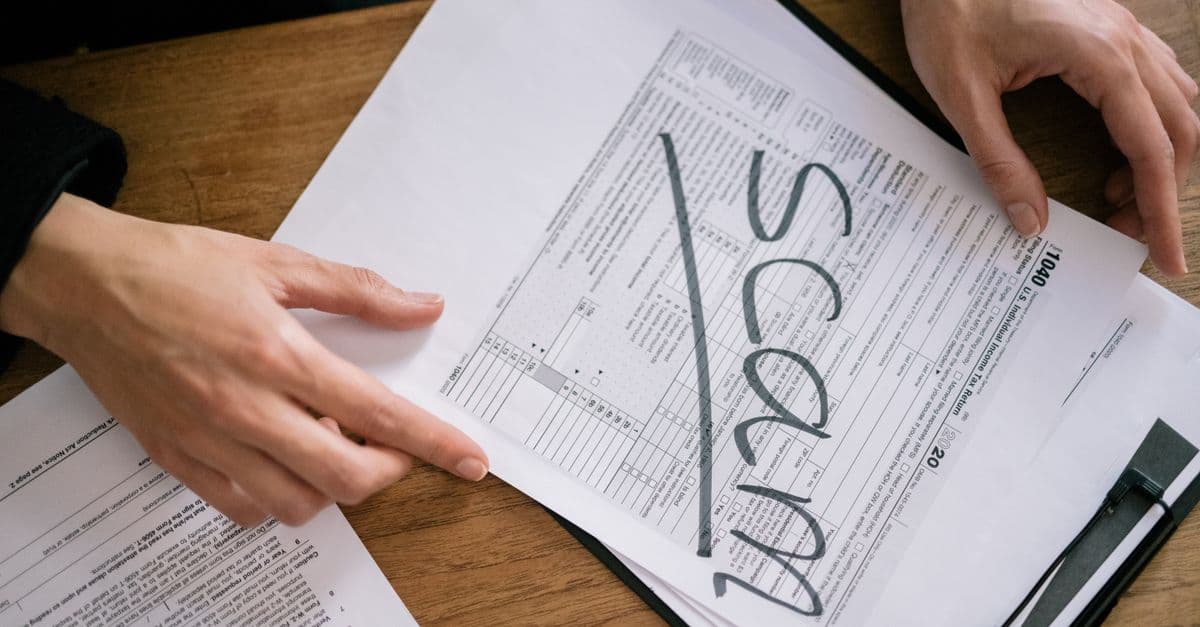
A plain-English breakdown of payroll taxes in 2026: FICA, Social Security and Medicare rates, what your employer pays, and why the self-employed pay both halves.

The FLSA test for on-call pay in 2026: engaged-to-wait vs waiting-to-be-engaged, when standby time is paid, and how restrictive on-call policies can owe you wages.

Federal tip pooling rules for 2026: how the tip credit changes who can join the pool, why managers and owners are banned, and when back-of-house can share tips.
Your overtime isn't always 1.5x your base wage. Learn what the regular rate of pay includes in 2026 — bonuses, shift differentials, commissions — and what it excludes.

Biweekly (26 checks) vs semimonthly (24 checks) payroll in 2026: how each works, why semimonthly complicates overtime, and what it means for your benefits and budget.

How overtime works for tipped workers in 2026: why OT is based on the full minimum wage, the correct $5.76 cash overtime rate, the 80/20 dual-jobs rule, and state differences.

Wage theft is any time your employer pays you less than the law requires. Learn the most common forms, how widespread it is, and how to recover up to three years of back pay plus liquidated damages.
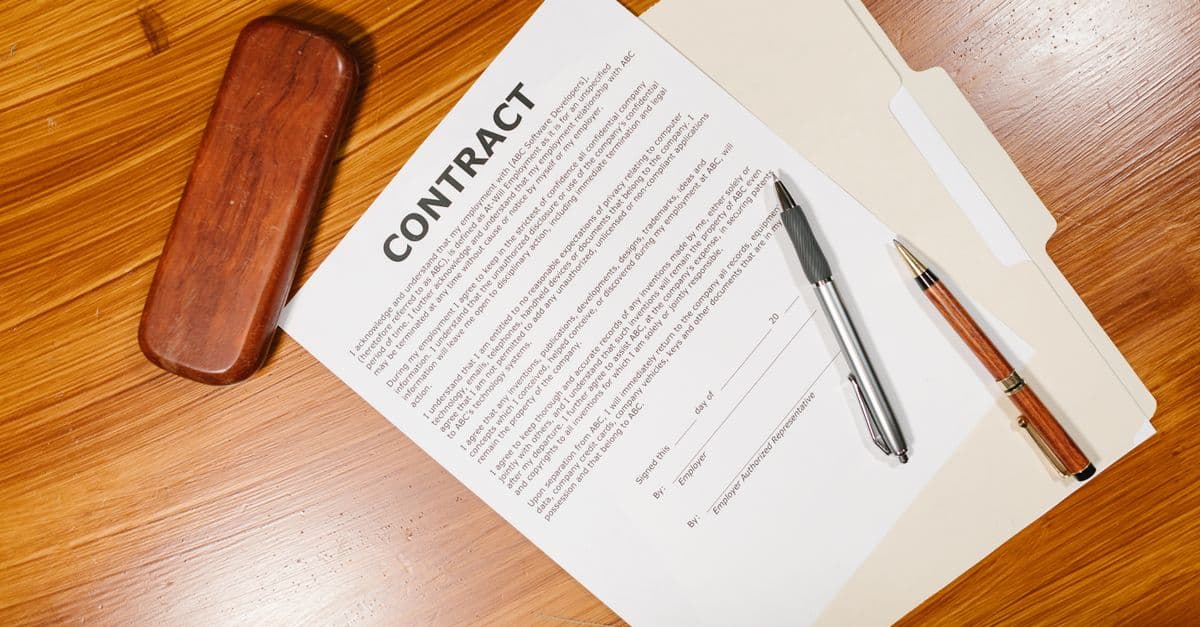
Filing a wage claim with the DOL or your state labor agency is free, confidential, and does not require a lawyer. Here is exactly what to gather, how to file, and what happens next.

A DOL wage complaint is free, confidential, and takes about 15 minutes online. Here is the step-by-step process, what investigators look for, and how your retaliation rights protect you.

Back pay is wages you were legally owed but never received. Under the FLSA you can recover up to three years of it, plus liquidated damages that often double your total. Here is how it works.

The FLSA gives you two years to recover unpaid wages, three if the violation was willful. Many states allow four to six. Every week you wait quietly narrows your recovery.
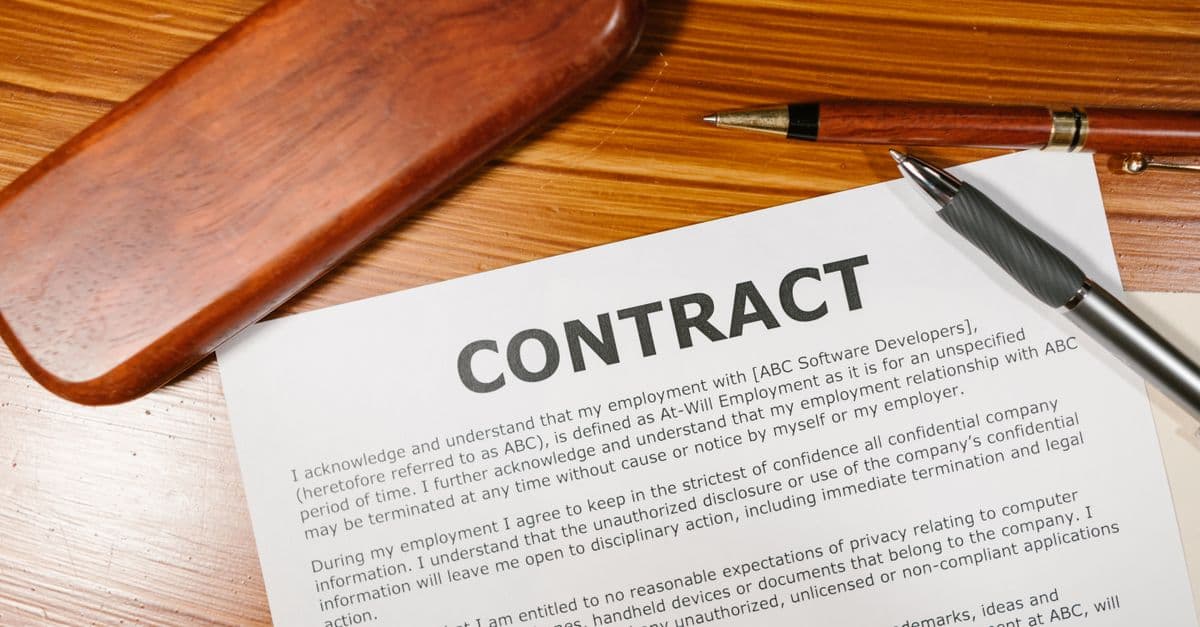
A demand letter is often the fastest way to recover unpaid wages without filing a government complaint. Here is when to send one, exactly what to include, and what to do after.

Most employment attorneys take wage cases on contingency, with no upfront cost. Under the FLSA, if you win, the employer pays your legal fees on top of your back wages. Here is when it is worth it.

Federal law does not require severance pay. Whether you are entitled to it depends on your contract, your employer's written policy, and the WARN Act. Here is what to know before you sign anything.
The FLSA requires 1.5x overtime for non-exempt employees after 40 hours in a workweek. Here is who is covered, how the regular rate works, how exemptions are tested, and what violations cost employers.

Most states follow the federal 40-hour rule, but California, Alaska, Nevada, and Colorado add daily overtime, and several states set much higher exempt salary thresholds. Know your state, or you undercount your pay.

Federal law does not require premium pay for working holidays. Whether you get time and a half on Christmas depends on your employer's policy, not the FLSA, but holiday hours still count toward overtime.

Private-sector employers cannot legally swap comp time for cash overtime, even if you agree to it. Only public-sector employers can, under strict FLSA limits. Here is how to tell the difference.

You can report wage theft to the DOL's Wage and Hour Division or your state labor agency for free, with no lawyer required. Here is what to document, how to file, and what to expect afterward.

A W-2 means you are an employee with overtime rights. A 1099 means contractor status, but the label does not control the law. Misclassification is one of the most common and costly wage violations.

Unpaid overtime is the most common FLSA violation. Learn how to recognize it, including off-the-clock work and regular-rate errors, and how to recover up to three years of back pay plus liquidated damages.

FLSA exemptions require both a salary test and a duties test. Learn how the executive, administrative, and professional exemptions actually work, and why most "exempt" titles don't hold up.

Handed a 1099 but treated like an employee? Here are 8 concrete signs of independent contractor misclassification, and what recovering unpaid overtime and benefits actually looks like.

Consumer debt garnishment is capped at 25% of disposable pay, but child support can take up to 65%. Here's exactly how the CCPA limits differ, with a worked comparison.

There's no federal right to a lunch break. Whether you're entitled to one, paid or unpaid, depends entirely on your state. Here's the truth behind the myth, state by state.

California pays a full extra hour of wages for every missed meal or rest break. Here's how the penalty works, how it stacks daily, and how to calculate what you're owed.

A late or bounced paycheck is a wage violation in most states, often with penalties on top of the wages owed. Here's what to do in the first 24 hours, and how the penalties work.

A composite, illustrative case study showing how a restaurant server identified an invalid tip pool and unpaid overtime, and recovered $4,200 by filing a WHD complaint.

Working from home doesn't change your overtime rights, but it does change how hours get tracked and missed. Here's what remote and hybrid non-exempt workers need to watch for.

Alaska's minimum wage rises to $14.00 and Oregon's to as high as $16.80 on July 1, 2026. Here's what changed, why Nevada didn't move this year, and what it means for your pay.

Florida's minimum wage reaches $15.00 an hour on September 30, 2026, the final step of Amendment 2. Here's the full timeline, tipped-wage impact, and what comes after.

The DOL formally rescinded the 2024 overtime salary-threshold rule in May 2026. Here's what that means for the federal exempt salary floor, and why it's lower than many employers expected.

The Department of Labor recovered over $259 million in unpaid wages for nearly 177,000 workers in FY2025, a five-year high. Here's what industries were hit hardest, and what it means for filing a complaint.

A free labor board complaint and a contingency-fee attorney both recover unpaid wages, but they suit different situations. Here's an honest, product-neutral comparison of speed, cost, and scope.

ADP, PaycheckCity, SmartAsset, and Gusto all offer free paycheck calculators, but none flag unpaid overtime or a missing tip credit. Here's an honest comparison of what each is actually built for.

A wage claim kit costs $29 and gives you a demand letter and filing guide. Here's when that's genuinely useful, and when a free DOL complaint or an attorney is the better call instead.

Yes, in most jobs employers can require overtime and fire you for refusing. See the real exceptions, then check your pay with our free calculator.